The Problem
The client, a fashion brand selling through Shopify, had a store that wasn't converting the way its traffic and product quality deserved. The catalogue was strong and the brand had genuine demand, but the store built around it was working against that demand rather than for it.
The existing theme was a generic Shopify build, never adapted to this brand's specific catalogue, merchandising style, or customer journey. Two moments in particular were losing revenue: the checkout, where customers were dropping out right before completing a purchase, and the product pages, which weren't doing enough to turn browsing into buying.
The traffic and the product were both there. The store in between wasn't converting either into revenue.
Where We Focused
As with every Shopify engagement, we started with an audit of the existing theme, the checkout flow, and the product page templates before deciding what to rebuild versus what to keep. Three areas were prioritised for the rebuild:
The theme itself: a generic template that didn't reflect the brand's catalogue structure, product presentation, or visual identity.
The checkout flow was adding friction at exactly the point customers were ready to buy.
The product pages: the layout, imagery, and information hierarchy weren't doing enough to support a purchase decision.
The brief covered the full path from product discovery to completed purchase: a new custom theme, a rebuilt checkout flow, and an overhaul of the product pages themselves.
The Rebuild
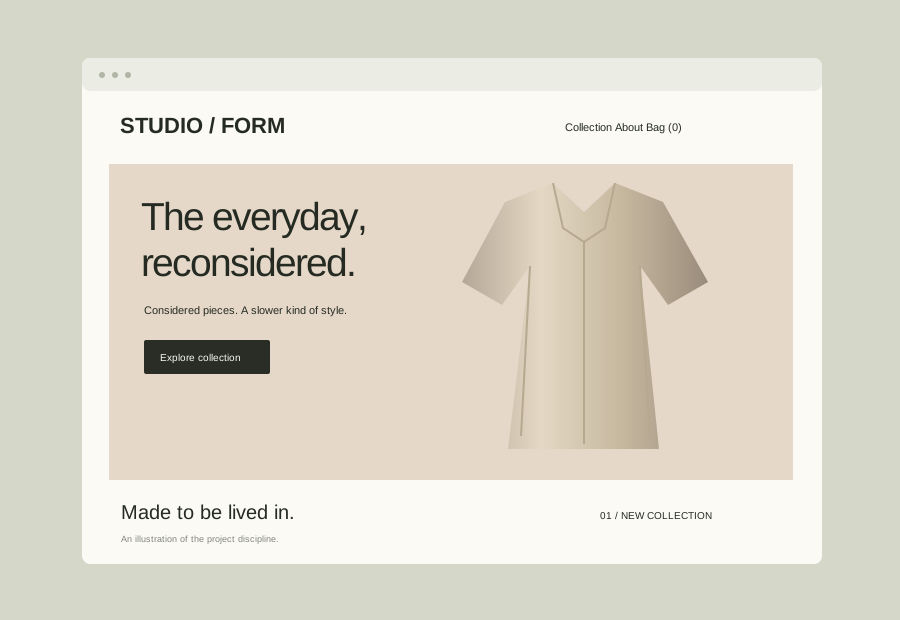
Built a custom Shopify theme around the brand's catalogue and visual identity, replacing the generic template the store had been running on.
Rebuilt and optimised the checkout for conversion, creating a clearer, more direct path from cart to confirmation.
Overhauled layout, imagery presentation, and information hierarchy across product pages to better support purchase decisions.
The Outcome
Following launch of the new theme, checkout flow, and product pages, the store's conversion rate increased 34%.